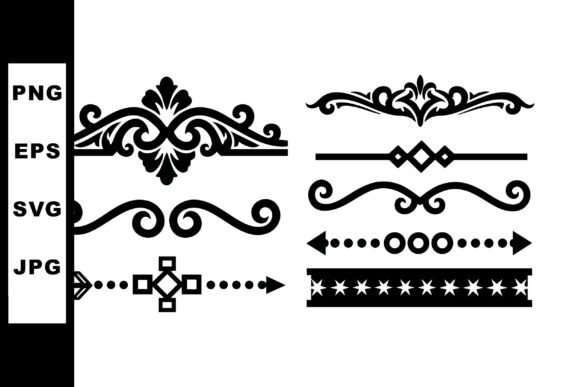
Decorative Ornate Vintage Vector Design for Timeless Style
When you're crafting a visual identity that needs to feel established, trustworthy, and rich with character, generic design assets often fall short. You need elements that carry a sense of history and craftsmanship. This is precisely where a resource like a Decorative Ornate Vintage Vector Design becomes invaluable. It's not just a collection of black lines; it's a toolkit for injecting sophistication and a classic narrative into your work.
The Anatomy of Vintage Elegance
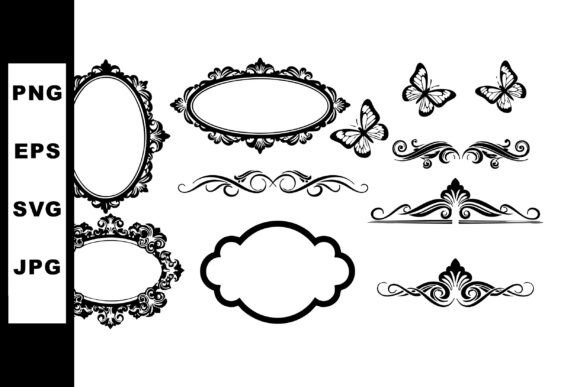
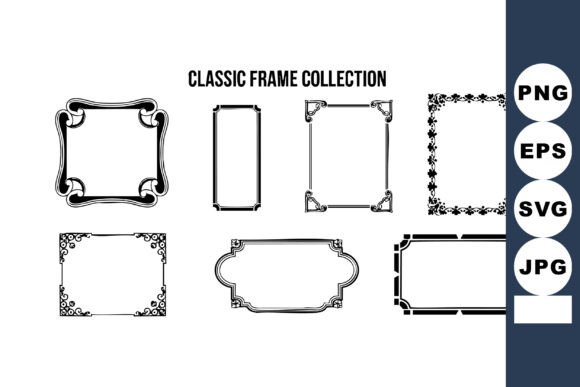
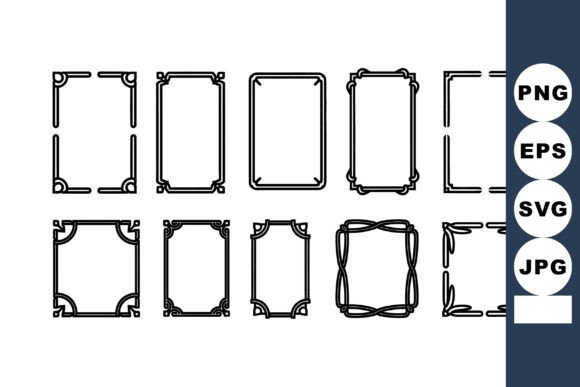
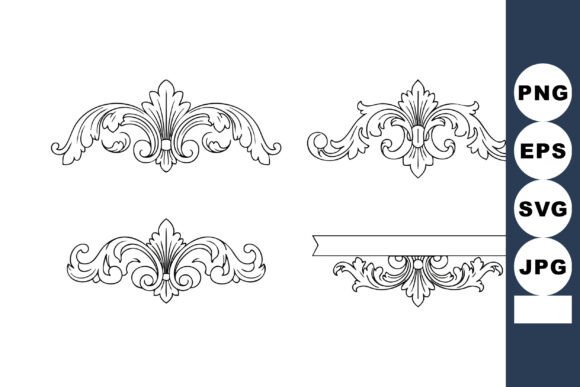
This particular vector file is a curated collection of black decorative elements. Think of intricate flourishes that curl with purpose, elegant borders that frame content with grace, and dividers that separate sections without creating a harsh break. The visual personality is one of refined detail and balanced ornamentation. It avoids the overly busy look of some historical styles, instead offering a more controlled and versatile ornamental language. The appeal lies in its ability to instantly elevate a design, adding a layer of visual interest that suggests quality and attention to detail. It’s a style that feels both nostalgic and perpetually stylish, working beautifully in logo design for boutique brands, in editorial design for magazine headers, or as accents in packaging design for artisan goods.
Strategic Applications Across Projects
The true power of these design elements is their adaptability. For a brand identity project, a single ornate flourish can become the cornerstone of a logo, or a subtle border can be used on business cards and letterheads to create a consistent, premium feel. Marketers and content creators can leverage these vectors in social media graphics to make quote cards or announcements stand out, or in web design to add decorative touches to headers and footers that enhance the user experience without compromising functionality.
Publishers and bloggers find them essential for editorial design. A vintage divider can cleanly separate chapters in an eBook or break up long-form articles on a website, improving readability and visual flow. For physical products, these elements are a cornerstone of packaging design, helping to tell a story on the label or box that communicates tradition and care. Crafters and hobbyists also benefit greatly, using the vectors for personal projects like wedding invitations, scrapbooking, or custom home décor prints, where a touch of classic elegance is desired.
Influencing Perception and Engagement
Integrating ornate vintage elements does more than just decorate; it actively shapes how your audience perceives your work. In terms of visual hierarchy, a well-placed flourish can guide the viewer's eye to a key headline or call-to-action. For brand perception, these details communicate values like heritage, quality, and artisanship—perfect for brands positioning themselves as premium or boutique. Consistency is key in branding, and using the same set of ornamental styles across all touchpoints builds recognition and reinforces a professional image.
From a readability standpoint, these elements work best as complements, not competitors, to your primary typeface. They should frame and support your text, not overwhelm it. The goal is to create a sophisticated mood that makes the content more engaging, not to obscure the message. When used thoughtfully, they can make a layout feel more complete and intentionally designed, which in turn holds audience attention longer.
Practical Guidance for Implementation
Before diving in, consider your project's overall style. Decorative Ornate Vintage Vector Design pairs exceptionally well with certain typography. It often creates a stunning contrast with clean, modern sans serif fonts or harmonizes beautifully with elegant serif fonts. It can also complement script fonts and handwritten fonts if the weight and style are balanced. Always test your font pairing to ensure the ornamental elements don’t clash with your chosen typeface.
Evaluate the included file formats. The ZIP file containing SVG, EPS, JPG, and PNG offers tremendous flexibility. SVG and EPS are vector files, meaning you can scale them infinitely without losing quality—essential for large format printing or detailed logo work. JPG and PNG are raster files, convenient for digital use where vector editing isn't necessary. Review the specific elements provided; a good collection will offer a variety of scales and complexities to suit different needs.
For commercial use, always verify the licensing. A true premium font or asset collection will come with clear commercial licensing that allows you to use the designs in projects for clients and for sale without legal ambiguity. This is a critical step for any professional work.
Start by incorporating one or two elements into a design mockup. See how they interact with your color palette, imagery, and text. Sometimes, less is more. A single, well-chorned ornamental border can have more impact than a page filled with flourishes. The goal is to enhance, not overwhelm. By treating these vectors as strategic design assets rather than mere decorations, you can craft visuals that are not only beautiful but also effective in communicating your intended message and brand story.