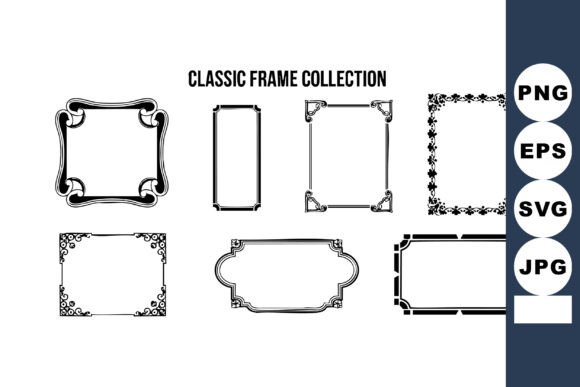
Decorative Geometric Corner: Classic Modern Design Element
When you need to frame a design with precision and personality, the details matter. A simple line or a subtle curve can transform a layout from functional to memorable. The Decorative Geometric Corner element, particularly in its Classic Mod style, is one such detail. It's not just a border; it's a statement of modern elegance and structured creativity. This design asset, often available as an EPS, JPG, SVG, or transparent PNG file, provides that perfect finishing touch for countless projects.
The Anatomy of a Classic Mod Corner
So, what exactly defines this "Classic Mod" aesthetic? Think clean, confident lines meeting at crisp, intentional angles. The style draws from mid-century modern design principles, emphasizing simplicity, geometry, and a sense of balanced order. You won't find ornate flourishes or chaotic curves here. Instead, you get a composed, architectural feel. The personality is sophisticated yet approachable—serious enough for a professional report but stylish enough for a boutique brand's packaging.
This design asset shines in its versatility. The Decorative Geometric Corner in this style acts as a visual anchor. It can guide the eye, contain information, and add a layer of polished detail without overwhelming the core message. Its appeal lies in its timelessness; it feels contemporary without being a fleeting trend, making it a reliable component in your design assets library.
Where This Element Truly Excels
Understanding where to apply this corner treatment is key to leveraging its power. Its strength is in framing and emphasis, making it ideal for projects that require a touch of refined structure.
- Branding & Identity: Use it on letterheads, business cards, or presentation folders to reinforce a brand identity built on modernity and clarity. It subtly communicates attention to detail and a forward-thinking mindset.
- Packaging Design: For products targeting a design-conscious audience—think specialty foods, cosmetics, or tech accessories—these corners can frame the product name or key features, elevating the unboxing experience.
- Digital & Web Design: Applied to hero images, call-to-action boxes, or section dividers on a website, it adds a custom, crafted feel. It's particularly effective in social media graphics for templates, quotes, or promotional posts, ensuring visual consistency across platforms.
- Editorial & Print Layouts: In magazines, lookbooks, or annual reports, the corner can frame pull quotes, sidebars, or chapter titles, enhancing visual hierarchy and making pages more dynamic.
- Craft & Personal Projects: For wedding invitations, event programs, or personal art prints, it provides a sophisticated, DIY-professional finish that's easy to incorporate.
Influence on Perception and Engagement
Never underestimate the psychological impact of such details. Consistently using a refined element like the Decorative Geometric Corner contributes directly to how your audience perceives your work or brand.
- Professionalism & Trust: The precision of the geometric lines signals competence and care. It moves a design from looking "homemade" to "professionally crafted," which builds subconscious trust with viewers.
- Brand Recognition: When used as a recurring motif, it becomes part of your visual signature. Over time, audiences begin to associate that specific style with your content, aiding recognition.
- Readability & Focus: By creating a clear boundary, the corner element helps contain content, reducing visual clutter and guiding the reader's eye to the information within the frame. This improves overall readability.
- Modern Appeal: The Classic Mod style inherently positions a project within a contemporary context. It appeals to audiences who value clean design and thoughtful aesthetics.
Making It Work: Practical Guidance
Integrating any design asset effectively requires a bit of strategy. Here’s how to approach using the Decorative Geometric Corner in your workflow.
- Evaluate Project Fit: Ask yourself if the project's tone aligns with a geometric, modern aesthetic. It's perfect for tech, finance, architecture, or boutique retail, but might feel out of place in a context that demands rustic, hand-drawn, or highly playful visuals.
- Test Color and Scale: The impact changes dramatically with color and size. A thin, black corner on white paper feels minimalist and sharp. A thicker, colored version can become a bold branding element. Always test how it looks in your specific color palette and at the final output size.
- Pair with Complementary Typography: This is crucial. The geometric nature of the corner pairs beautifully with clean sans serif fonts for body text and headings. For contrast, it can also work with a refined, simple serif font. Avoid pairing it with overly decorative script fonts or handwritten fonts, as this can create visual conflict and undermine the clarity of the geometric style.
- Check File Formats: The value of this asset increases with its versatility. Ensure you have the right format for your task. SVG and EPS are vector files, meaning they scale infinitely without losing quality—essential for logo design or large prints. Transparent PNG is perfect for layering in digital layouts without a white background. JPG is useful for quick web mockups but has a fixed background.
- Understand Licensing: If you're using this for a commercial font or client work, verify the license. Most premium font and asset libraries offer clear licensing for personal and commercial use, but it's your responsibility to confirm it covers your intended application, especially for items like merchandise or wide-distribution templates.
Think of the Decorative Geometric Corner: Classic Mod not as a mandatory flourish, but as a strategic tool in your modern typography and layout toolkit. It's for the moments when a design needs a definitive frame, a touch of structured elegance, or a consistent visual hook that says, "This was crafted with intention." When used thoughtfully, it does more than decorate—it communicates.