Decorative Flower Silhouette: Your Go-To for Botanical Elegance
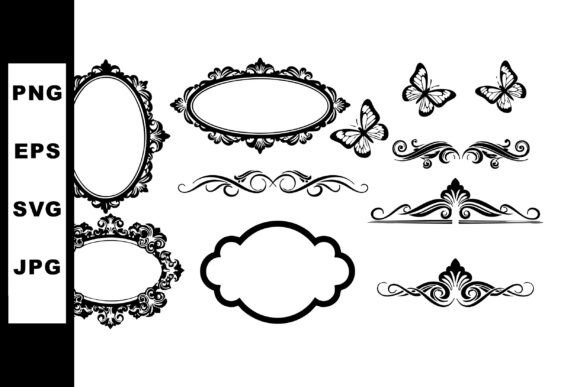
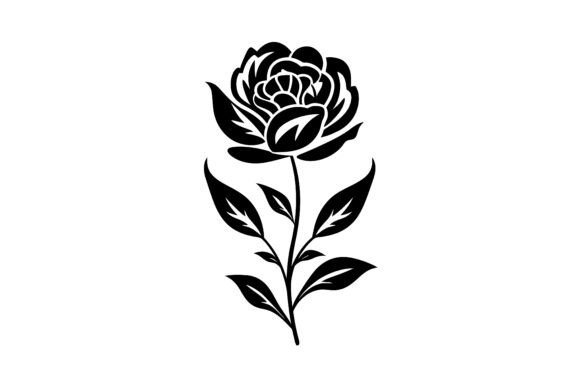
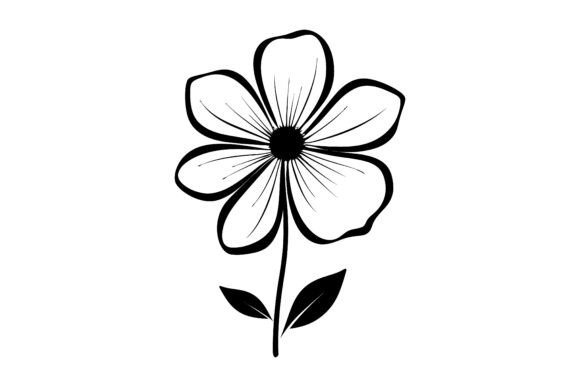
There’s a particular kind of project that calls for something more than just text. It needs a touch of nature, a sense of organic growth, and a visual softness that grounds a design. This is where the Decorative Flower Silhouette graphic set proves its worth. It’s not a font in the traditional sense, but a collection of vector botanical elements that function as a powerful design asset. Think of it as a toolkit of intricate floral forms—stems, leaves, petals, and full blooms—each rendered as a clean, editable silhouette. The appeal lies in its balanced style: detailed enough to feel luxurious and hand-crafted, yet refined and versatile enough to integrate seamlessly into modern typography and layout work.
The personality of these silhouettes is elegant and timeless. They don’t scream for attention with garish colors or overly complex details. Instead, their strength is in their form and negative space. This makes them incredibly adaptable. A single, sweeping vine can add a dynamic flourish to a logo design. A cluster of delicate buds can form a sophisticated border for an editorial layout. The overall effect is one of quiet confidence and artistic polish, capable of elevating a project from functional to memorable without overwhelming the core message.
Where Botanical Silhouettes Truly Shine
Understanding where this premium graphic set works best is key to unlocking its potential. Its applications are broad, spanning both personal and commercial projects. For brand identity, these elements are gold. They can be incorporated into logos, business cards, letterheads, and brand guidelines for businesses in wellness, beauty, hospitality, floristry, or any service wanting to convey growth, care, and natural elegance. The silhouettes help create a cohesive and recognizable visual language.
In print and digital design, their utility is just as strong. Consider these common uses:
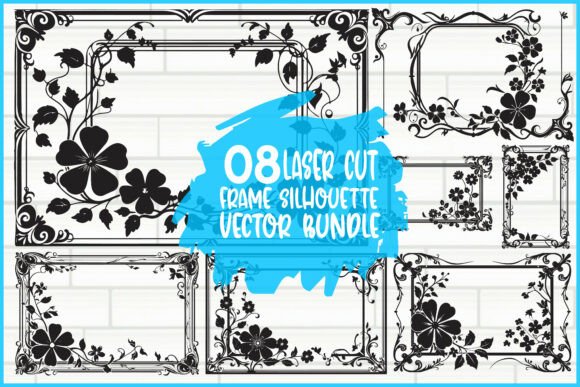
- Editorial Design: Use a floral frame to highlight pull quotes or chapter headings in a book or magazine. They add a layer of visual interest to page layouts.
- Packaging Design: A subtle silhouette pattern on a product box or label can instantly communicate an artisanal, high-quality product. It’s perfect for cosmetics, teas, candles, and gourmet foods.
- Web & Social Media: These graphics translate beautifully to digital spaces. Use them as background elements, section dividers, or icons in a website header. For social media graphics, they make stunning additions to Instagram story templates, Pinterest pins, and Facebook post backgrounds, helping content creators and bloggers stand out.
- Event & Stationery: For wedding invitations, menus, or event programs, decorative flower silhouettes provide a classic, romantic aesthetic that never goes out of style.
The key is that they act as complementary design assets. They support your main typography and layout, adding personality and context without competing for dominance. This makes them ideal for designers, marketers, and small business owners who need to create professional-looking materials efficiently.
Making It Work: Practical Guidance for Your Projects
Having a great set of graphics is one thing; using them effectively is another. Here’s how to approach the Decorative Flower Silhouette set with a practical mindset. First, always consider your project’s overall tone. If your brand identity is minimalist and modern, use a single, clean silhouette as a standalone mark. If the style is more ornate or vintage, you might layer multiple elements to create a richer, more detailed composition.
A crucial step is testing font pairings. Since these are graphical elements, they pair with typefaces rather than replace them. For a harmonious look, try combining them with a clean sans serif font for contemporary projects. The contrast between the organic floral shape and the geometric type can be very striking. For a more traditional or romantic feel, pair them with a classic serif font or an elegant script font. The goal is to create a balanced visual hierarchy where the text remains perfectly readable and the floral element enhances, rather than distracts.
Because the set comes as an EPS 10 file, you have complete control. This is a significant advantage. You can change colors to match any brand palette, scale the vectors to any size without loss of quality, and even modify the shapes themselves in Illustrator or other compatible software. This level of editability is what separates a true professional design asset from a static image. Before finalizing, always review the included elements. Does the set offer the specific flower types or leaf styles your project needs? Does it provide enough variation to avoid repetition across a multi-page document or a series of social media posts?
Finally, think about readability and context. A busy, intricate silhouette might look beautiful but could harm readability if used behind body text. Use such elements as decorative headers or standalone motifs. For backgrounds, opt for simpler, more transparent versions or use them at a very low opacity. The power of this set is in its flexibility—you can tailor every detail to ensure the final result is not only beautiful but also functional and effective for your audience.